Welcome back to the Warzone—where we don’t avoid the tough stuff, we confront it with care.
This week, we’re tackling a big one: how to create a safe space for difficult conversations—whether you’re hosting the space or showing up vulnerably as a participant.
Let’s be real: talking about trauma, grief, guilt, motherhood struggles, or healing journeys is not easy. But it’s necessary. And when done right, these conversations become powerful pathways to transformation, connection, and clarity.
🔐 What Is a Safe Space?
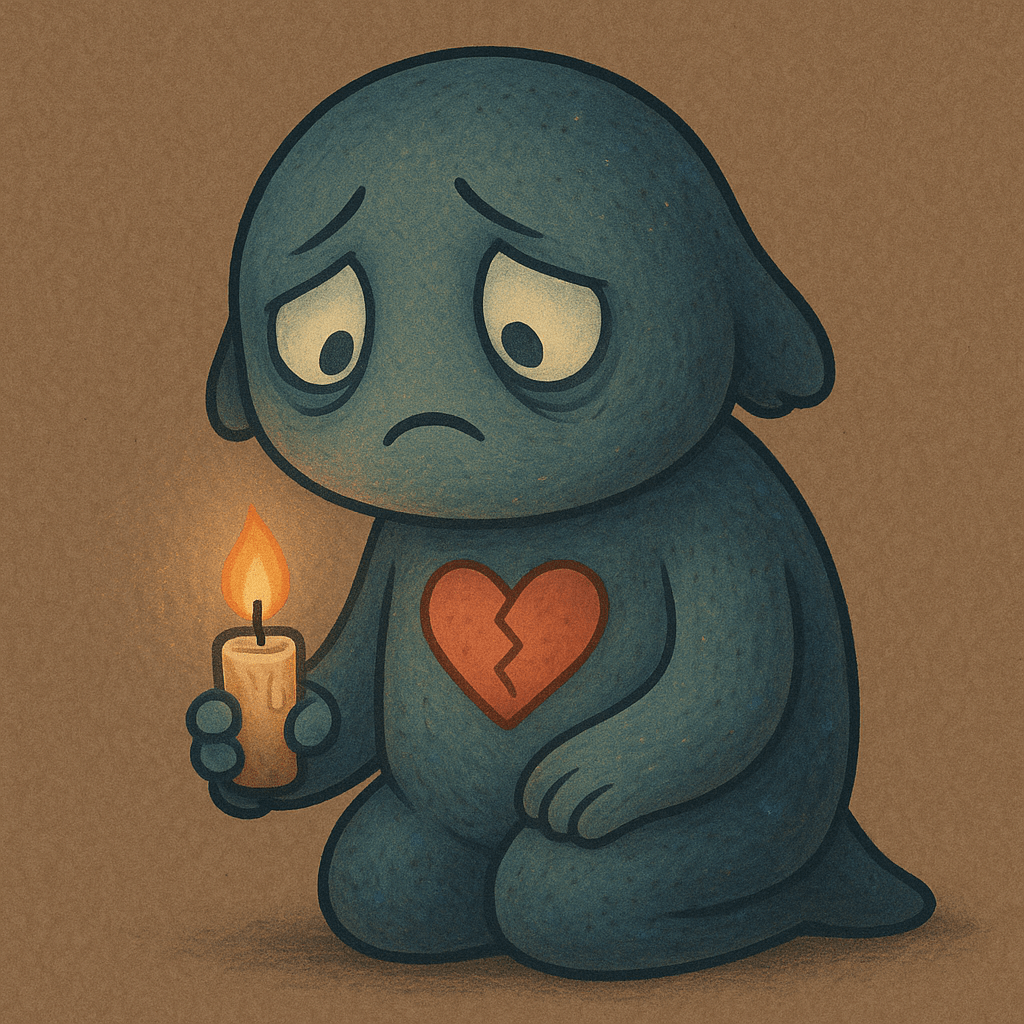
A “safe space” is more than just a buzzword—it’s an intentional container where people feel seen, heard, and respected without fear of judgment or harm.
It’s not about avoiding discomfort. It’s about creating a space where discomfort can be processed safely.
✨ Tips for Hosting a Safe Conversation Space
Hosting is sacred work. Whether it’s online, in your living room, or on a livestream, here’s how to create a healing environment:
1. Set Clear Intentions
Open with a grounding purpose.
💬 “We’re here to talk honestly and openly. This is a judgment-free zone. All emotions are valid.”
2. Use Grounding Techniques
Start with a breathwork or body scan. A few minutes of presence sets the tone for safety.
Try:
3 deep belly breaths A grounding stretch A hand-on-heart moment: “What do I feel right now?”
3. Establish Community Agreements
Co-create respectful boundaries. Ask participants to agree to:
✅ Confidentiality
✅ Listening without interrupting
✅ Speaking from the “I” (owning your truth)
4. Model Vulnerability
As the host, your openness invites others to do the same. Be real, not perfect.
5. Create an Emotion Exit Plan
Give folks a way to step away without shame. “If you need a moment to yourself, feel free to turn off your camera or take a break.”
🤝 Tips for Participating in Tough Conversations
You don’t need to have the perfect words—you just need to be present.
1. Know Why You’re There
Anchor in your reason for showing up. Is it healing? Understanding? Connection?
2. Check Your Reactions
If you’re triggered, it’s okay. Breathe before responding.
Ask: “Am I reacting from pain, or responding from presence?”
3. Be Okay with Silence
Silence is not awkward—it’s a processing pause. Give yourself and others that grace.
4. Respect Others’ Stories
Even if it’s different from yours, each experience is valid. Replace judgment with curiosity.
🛠️ Communication + Conflict Resolution Resources
If you want to keep building your safe space toolkit, here are some powerful tools:
📚 Books
“Nonviolent Communication” by Marshall Rosenberg – A must-read for learning how to speak with empathy and clarity. “Crucial Conversations” by Patterson, Grenny, McMillan, and Switzler – Learn how to handle high-stakes discussions with confidence. “Set Boundaries, Find Peace” by Nedra Glover Tawwab – Especially helpful for creating emotional safety in all relationships.
🧘♀️ Online Courses
The Gottman Institute – Building Love Maps – Learn how to ask better questions and build emotional intimacy. Atlas of the Heart Course by Brené Brown – Understand emotional language and how to name what you feel.
🛒 Communication Tools + Safe Space Products
Iphilia ‘Feel Wheel’ Cards – Helps identify and express complex emotions. Emotions Journal from Iphilia – A great gift for anyone doing shadow work or emotional healing. Conflict Resolution Cards by BestSelf Co. – Prompts that guide meaningful repair in any relationship.
💬 Communication God Vibes: A Safe Space Mantra
If you’re building or entering a safe space, hold this in your heart:
“I am responsible for the energy I bring into this space. I speak with clarity, I listen with compassion, I hold space without judgment.”
Repeat that before every Warzone Wednesday. Repeat that before hard talks with your kids, partner, or self. Safe space starts with YOU.
🌀 Final Words from the Warzone
Safe spaces aren’t always about being comfortable—they’re about being real.
The warzone of the mind is heavy, but when we build community that makes room for raw honesty, we all come out stronger.
Whether you’re dancing your truth on the pole or whispering it into a circle of trust, remember:
🗣️ “It’s your story. You are the movement.”
 Search For Self
Leave a comment